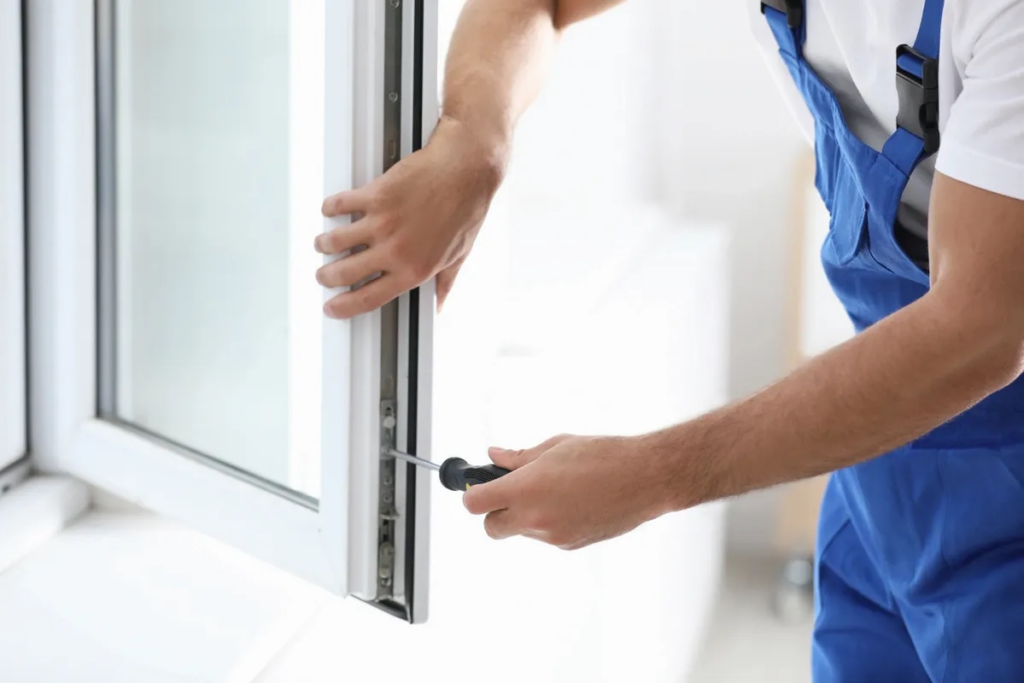
Window Regulator Repair: A Comprehensive Guide
Windows are an essential part of any building, offering light, ventilation, and a view of the outside world. However, over time, the systems that control the opening and closing of windows, known as window regulators, can break or malfunction. This can result in issues like problem in opening or closing windows, drafts, and even security threats. Understanding how to repair a window regulator can save house owners time, money, and disappointment. This detailed guide will stroll you through the procedure of determining issues, diagnosing issues, and carrying out repairs on a window regulator.
Comprehending Window Regulators
What is a Window Regulator?
A window regulator is a mechanical device that manages the vertical movement of a window sash. It is generally found in double-hung and single-hung windows, where the sash can be raised or lowered. The regulator includes several elements, including:
- Track: The vertical channel in which the window sash relocations.
- Balance System: The mechanism that supports the weight of the sash, making it easier to open and close.
- Cord or Chain: The material that links the sash to the balance system.
- Wheel: The wheel over which the cord or chain runs, facilitating smooth motion.
- Locking Mechanism: The device that secures the window in place when closed.
Common Issues with Window Regulators
Window regulators can experience a variety of issues, including:
- Difficulty in Opening or Closing: The window might be difficult to move, or it may stick in certain positions.
- Drafts: Air might leakage around the window, leading to increased energy expenses and discomfort.
- Loose Sash: The window sash might rattle or move exceedingly, showing a problem with the balance system.
- Broken Cord or Chain: The cord or chain that links the sash to the balance system might break, rendering the window inoperable.
- Used Pulleys: Pulleys can wear gradually, causing the window to move unevenly or not at all.
Detecting Window Regulator Issues
Before attempting any repairs, it's essential to diagnose the particular issue with your window regulator. Here are some steps to assist you determine the problem:
- Inspect the Window Sash: Check for any visible damage or wear on the sash, such as cracks, warping, or loose components.
- Analyze the Track: Look for any particles, dirt, or obstructions in the track that may be preventing the sash from moving efficiently.
- Check the Balance System: Inspect the balance system for signs of wear, such as torn cords, broken chains, or loose pulley-blocks.
- Evaluate the Locking Mechanism: Ensure that the locking system is functioning appropriately which it safely holds the window in location when closed.
- Feel for Drafts: Run your hand around the edges of the window to spot any air leakages.
Steps to Repair a Window Regulator
When you have actually recognized the concern, you can continue with the appropriate repair. Here are the general steps for repairing a window regulator:
1. Gather Tools and Materials
Before you start, make sure you have the following tools and products:
- Screwdriver (Phillips or flathead)
- Pliers
- Replacement cables or chains (if required)
- Lubricant (silicone spray or graphite powder)
- New balance system (if the existing one is damaged beyond repair)
- Safety glasses and gloves
2. Remove the Window Sash
- Single-Hung Windows: Remove the bottom sash by tilting it inward and raising it out of the track.
- Double-Hung Windows: Remove both the top and bottom sashes by tilting them inward and raising them out of the track.
3. Inspect and Clean the Track
- Utilize a soft-bristled brush or a vacuum to remove any dirt, particles, or obstructions from the track.
- Use a small amount of lube to the track to guarantee smooth movement.
4. Replace the Cord or Chain
- Get Rid Of the Old Cord/Chain: Use pliers to detach the old cable or chain from the balance system.
- Install the New Cord/Chain: Thread the new cable or chain through the wheel and attach it to the balance system. Make sure that it is safely secured and effectively tensioned.
5. Change the Balance System
- Examine Tension: Test the tension of the balance system by raising the sash. It should move smoothly and stay in place when released.
- Adjust as Needed: If the sash is too heavy or too light, change the stress on the balance system according to the manufacturer's directions.
6. Reinstall the Window Sash
- Single-Hung Windows: Place the bottom sash back into the track, guaranteeing it is correctly aligned. Tilt it external and push it into location.
- Double-Hung Windows: Place both the top and bottom sashes back into the track, ensuring they are effectively lined up. Tilt them external and push them into place.
7. Evaluate the Window
- Open and close the window several times to ensure it moves efficiently and remains in location.
- Look for any drafts or air leakages around the edges of the window.
8. Clean and Lubricate
- Tidy the window and the track with a damp fabric.
- Use a small amount of lubricant to the moving parts to guarantee smooth operation.
FAQs
Q: Can I repair a window regulator myself, or should I call a professional?
A: Many window regulator repairs can be done by homeowners with fundamental tools and DIY abilities. Nevertheless, if you are uneasy with the procedure or if the issue is complex, it might be best to call a professional window repair service.
Q: How often should I inspect and keep my window regulators?
A: It's a good concept to check and preserve your window regulators a minimum of as soon as a year. This includes cleaning the track, oiling the moving parts, and checking for any signs of wear or damage.
Q: What are the signs that a window regulator needs to be replaced?
A: Signs that a window regulator requires to be replaced consist of trouble in opening or closing the window, loose sash motion, broken cords or chains, and worn sheaves. If the balance system is damaged beyond repair, replacement may be necessary.
Q: Can I utilize any type of lubricant on my window regulator?
A: It's finest to utilize a silicone spray or graphite powder specifically created for window tracks and moving parts. Avoid using oil-based lubes, as they can bring in dirt and debris, resulting in additional issues.
Q: How can I prevent window regulator problems in the future?
A: Regular upkeep is crucial to avoiding window regulator concerns. Keep the track clean, oil the moving parts, and attend to any indications of wear or damage without delay. In addition, avoid requiring the window open or closed, as this can put unnecessary strain on the regulator.
Window regulators are important elements of any window system, ensuring smooth and safe operation. By comprehending learn this here now and following the steps detailed in this guide, homeowners can successfully detect and repair window regulator problems. Routine maintenance and timely repairs can extend the life of your windows and guarantee they continue to work effectively for several years to come.